
Türkiye's Retrofit Market After the Code Change
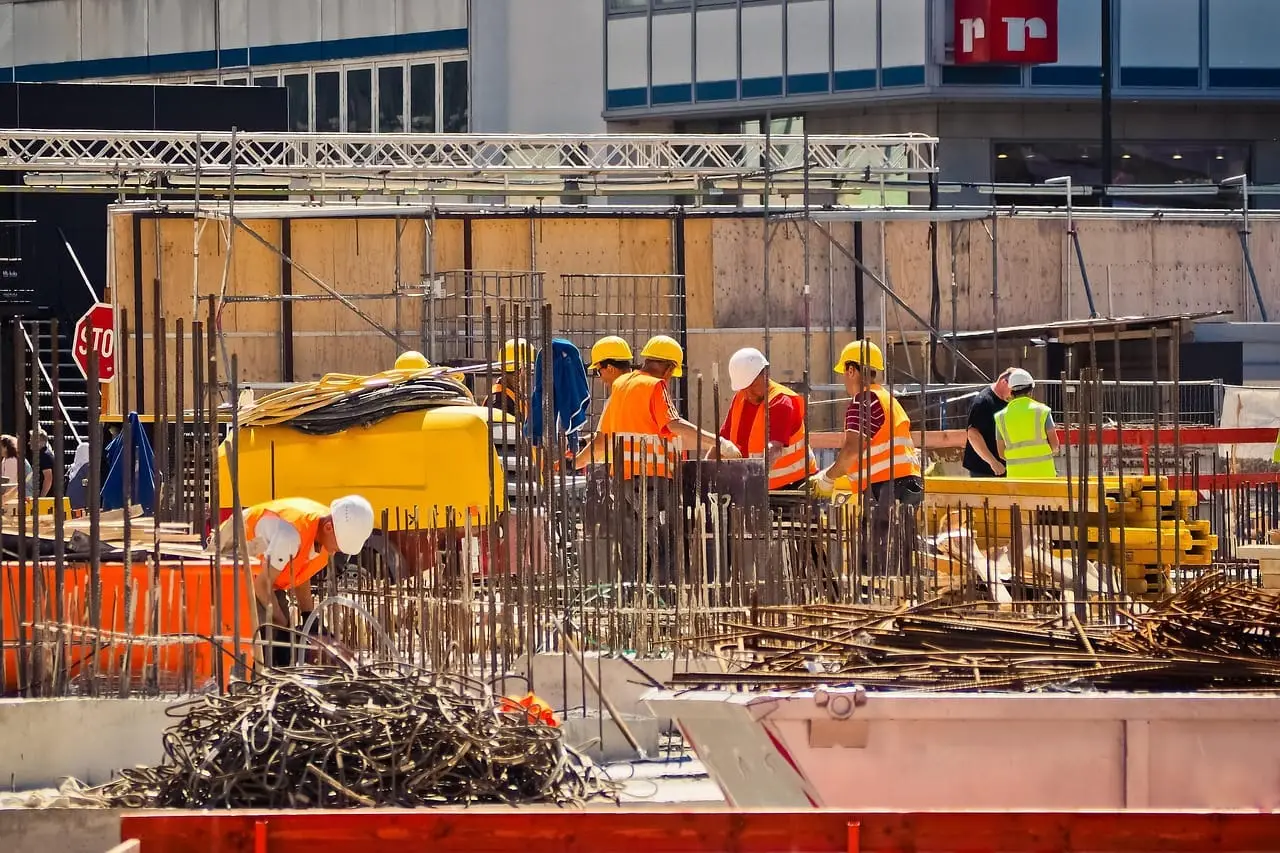
A stricter seismic code, a legal route for declaring buildings risky, and a construction sector with spare capacity: how the Turkish retrofit market actually works.
Strengthening is rarely chosen on engineering merit alone. Five comparisons that decide the argument, from downtime and embodied carbon to residual life.
Long-form notes on specification, sequencing and the failures that repeat across projects.
A stricter seismic code, a legal route for declaring buildings risky, and a construction sector with spare capacity: how the Turkish retrofit market actually works.
The purple line is not a measurement of damage. It is a pH indicator read against a rough surface, and misreading it is how good concrete gets replaced.
Jackets, wraps and new shear walls solve different problems. Getting the order wrong can load a strengthened column with the demand you just removed from its neighbour.
A method statement is not a description of what you plan to do. It is the document an inspector uses to decide whether you were allowed to do it. Write accordingly.
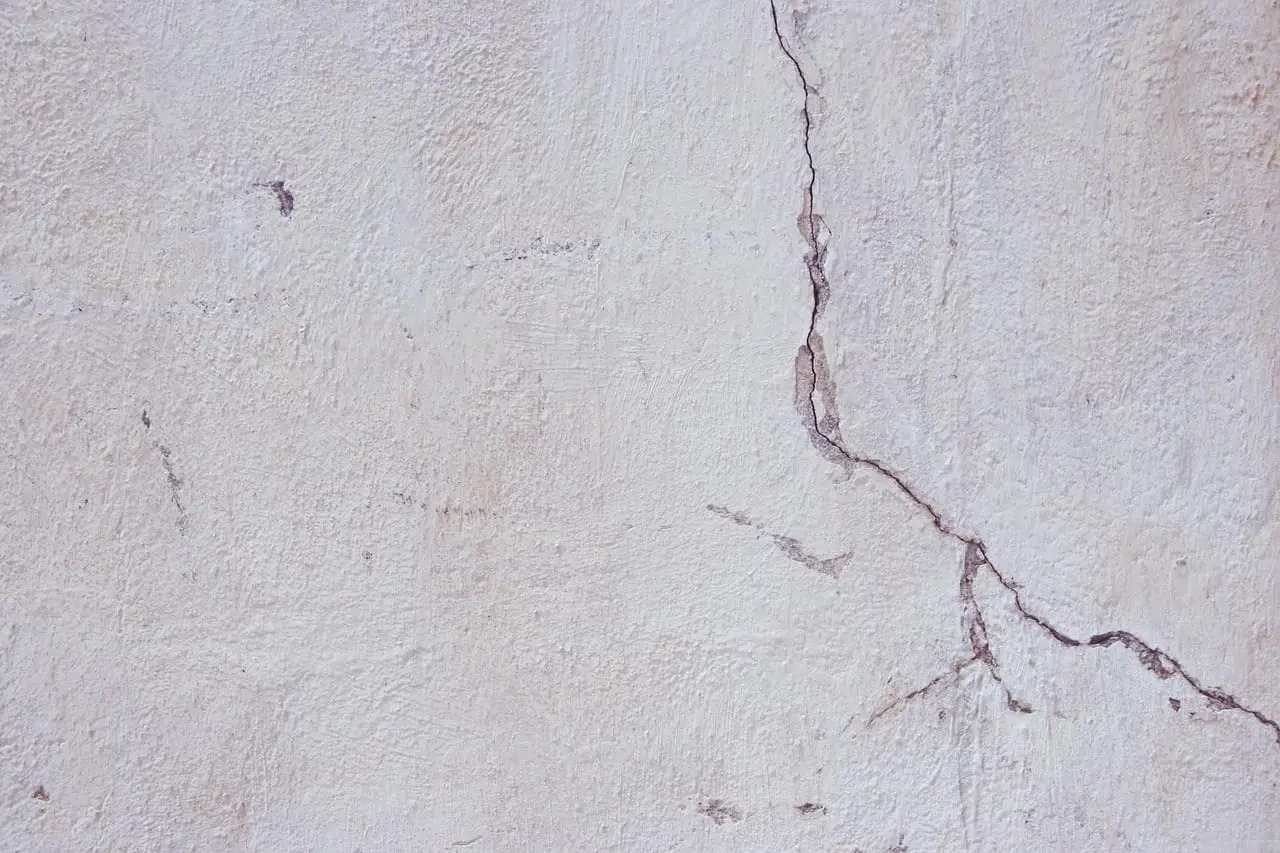
Both resins go into a crack through a port. Only one of them is structural, and the choice depends on whether the crack is moving, wet or wider than you assumed.
The design calculation is rarely what fails on a CFRP strengthening job. These are the nine execution details that separate a working retrofit from a decorative one.
Every product reference in this magazine is either generic by type or documented on a real project. We do not sell links, we do not accept guest posts with embedded URLs, and we do not publish supplier-supplied copy under an editorial byline. If a manufacturer wants to argue a technical point, they can do it on the record.
Specification, mix design and the chemistry behind durability.
Three fibres, three cost points, three failure profiles. A practical comparison of modulus, elongation, durability and cost for structural strengthening.
The purple line is not a measurement of damage. It is a pH indicator read against a rough surface, and misreading it is how good concrete gets replaced.
Both resins go into a crack through a port. Only one of them is structural, and the choice depends on whether the crack is moving, wet or wider than you assumed.
Assessment, strengthening and the economics of keeping what already stands.
A column can be perfectly jacketed and still fail at the four bolts holding it down. Anchor installation, hole cleaning and edge distance decide the outcome.
Jackets, wraps and new shear walls solve different problems. Getting the order wrong can load a strengthened column with the demand you just removed from its neighbour.
The design calculation is rarely what fails on a CFRP strengthening job. These are the nine execution details that separate a working retrofit from a decorative one.
Sequencing, method statements and the paperwork that protects the work.
Most failed membranes were installed over a substrate that was already wet. Six measurements, taken before the quote, decide whether the system has a chance.
A method statement is not a description of what you plan to do. It is the document an inspector uses to decide whether you were allowed to do it. Write accordingly.
Regulation, demand and the view from Türkiye and its neighbours.
Strengthening is rarely chosen on engineering merit alone. Five comparisons that decide the argument, from downtime and embodied carbon to residual life.
A stricter seismic code, a legal route for declaring buildings risky, and a construction sector with spare capacity: how the Turkish retrofit market actually works.